
Sequence diagram (SeqDiag)
SeqDiag trades features for brevity. An arrow is a message, a double arrow is a call with its return, and that is most of the language.
#What this example shows
The => form, which draws a call and its return in one line.
Explicit return labels.
Participants ordered by first mention.
#A worked example
Open it, edit it, or copy the source below.
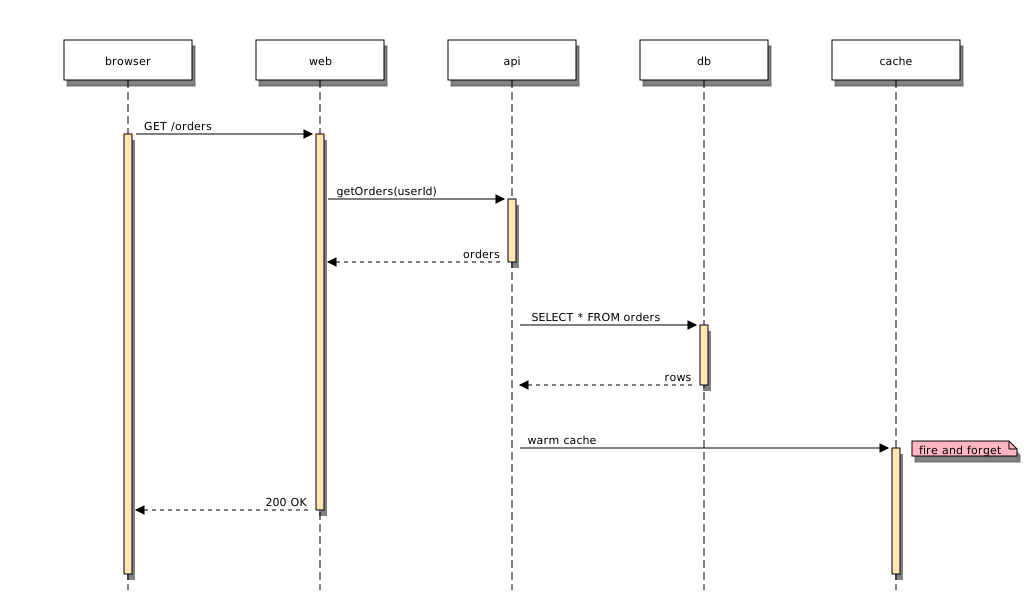
The source, which you can paste into a new diagram and edit:
#Making it your own
Mention participants in the order you want them drawn.
The => form halves the length of a long sequence.
For activations, alt blocks and loops, use Mermaid or PlantUML.
#Related
Specialists. Borrow one when you need it.