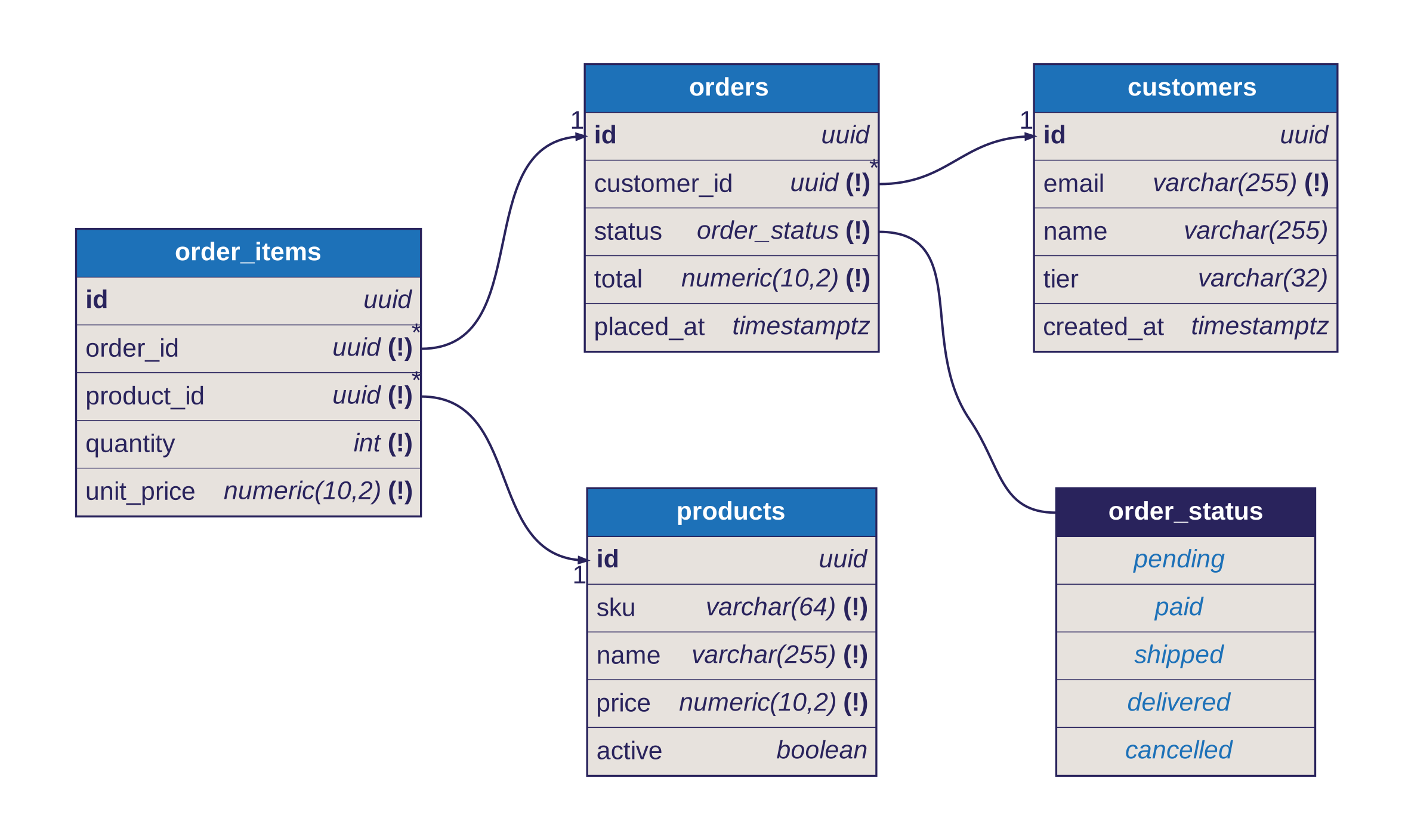
eCommerce database (DBML)
DBML reads like simplified DDL, which makes it easy to keep honest against the real schema. This is a complete small commerce schema.
#What this example shows
Enums, which constrain a column to a fixed set.
References with direction, which set the cardinality.
Composite indexes and table notes.
#A worked example
Open it, edit it, or copy the source below.
The source, which you can paste into a new diagram and edit:
Enum order_status {
  pending
  paid
  shipped
  delivered
  cancelled
}

Table customers {
  id uuid [pk]
  email varchar(255) [unique, not null]
  name varchar(255)
  tier varchar(32) [default: 'standard']
  created_at timestamptz [default: `now()`]

  Note: 'One row per person who can sign in'
}

Table orders {
  id uuid [pk]
  customer_id uuid [ref: > customers.id, not null]
  status order_status [not null, default: 'pending']
  total numeric(10,2) [not null]
  placed_at timestamptz

  Indexes {
    (customer_id, placed_at)
    status
  }
}

Table products {
  id uuid [pk]
  sku varchar(64) [unique, not null]
  name varchar(255) [not null]
  price numeric(10,2) [not null]
  active boolean [default: true]
}

Table order_items {
  id uuid [pk]
  order_id uuid [ref: > orders.id, not null]
  product_id uuid [ref: > products.id, not null]
  quantity int [not null, default: 1]
  unit_price numeric(10,2) [not null]

  Indexes {
    (order_id)
  }
}
#Making it your own
Reference direction matters: > is many-to-one, < one-to-many, - one-to-one.
Notes travel with the diagram, which beats a separate paragraph in a wiki.
Keep it next to the migrations so the two cannot drift apart.
Close enough to the schema to stay true.